Capturing Sound with Precision
Imperfect visuals are forgiven more easily than bad audio. Elevate any project by capturing clean, intentional audio on location by minimizing distractions, noise and technical problems before heading into editing.
Don’t rely on the ‘fix it in post’ mentality. Sound carries realism, tension, and authority. Capture it with intention.
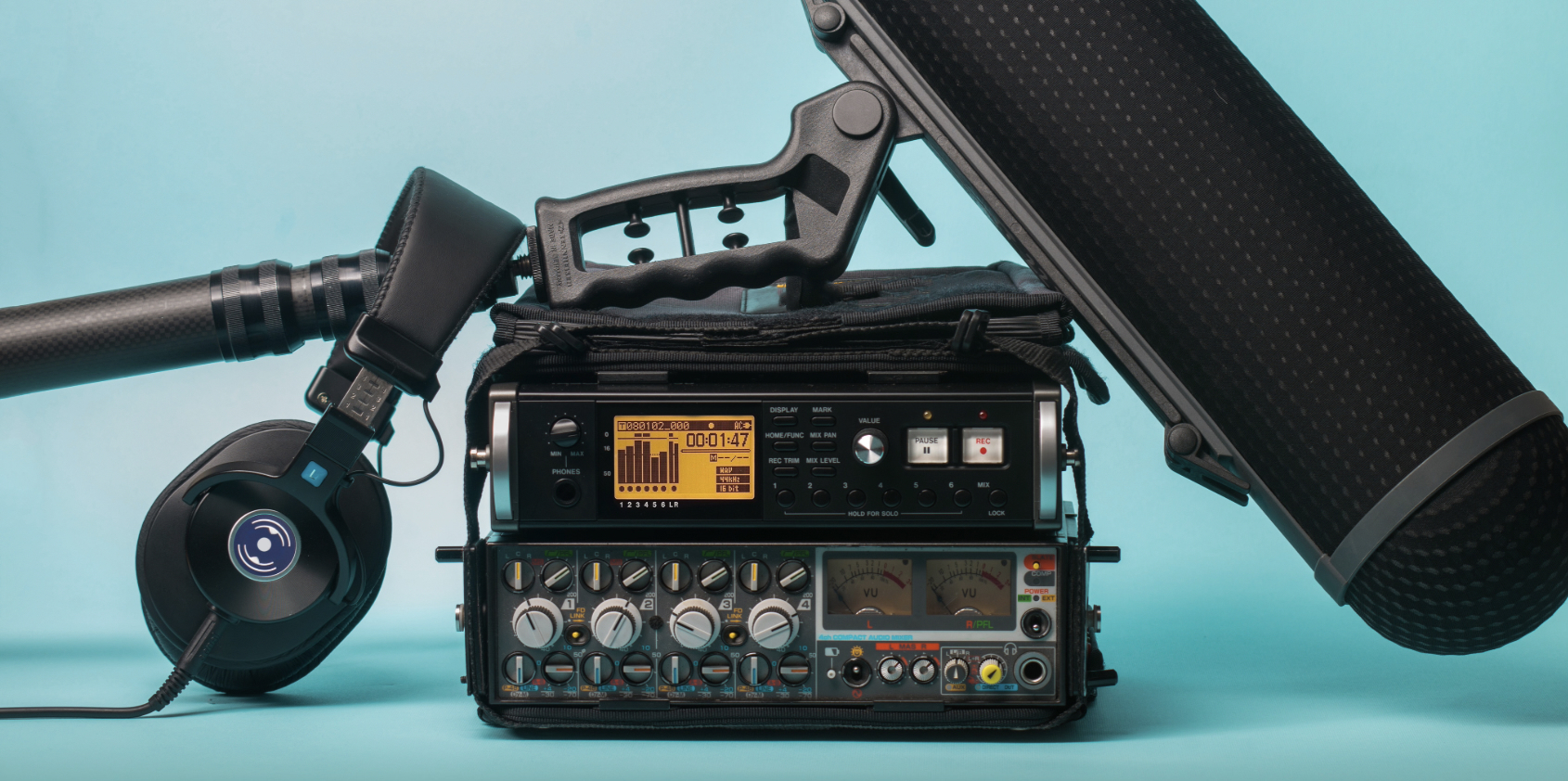
CAPTURE CLEAN AUDIO AT THE SOURCE
First, set yourself up for success, not more time in editing.
- Choose a quiet environment
- Turn off fans, HVAC, refrigerators, buzzing lights, etc.
- Move closer to the sound source instead of boosting gain
- Monitor sound levels with headphones at all times
ON-LOCATION MENTAL CHECKLIST
Before recording sound, ask yourself:
- Is the mic close enough to the subject?
- Are sound levels safe?
- Is the environment quiet enough?
- Did I record room tone?
ESSENTIAL GEAR
Microphones – Shotgun, lav and handheld
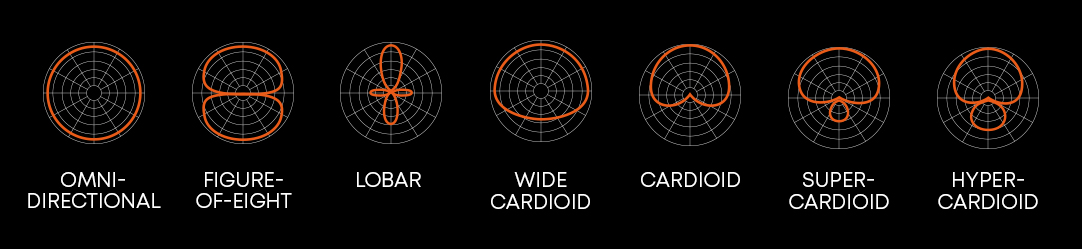
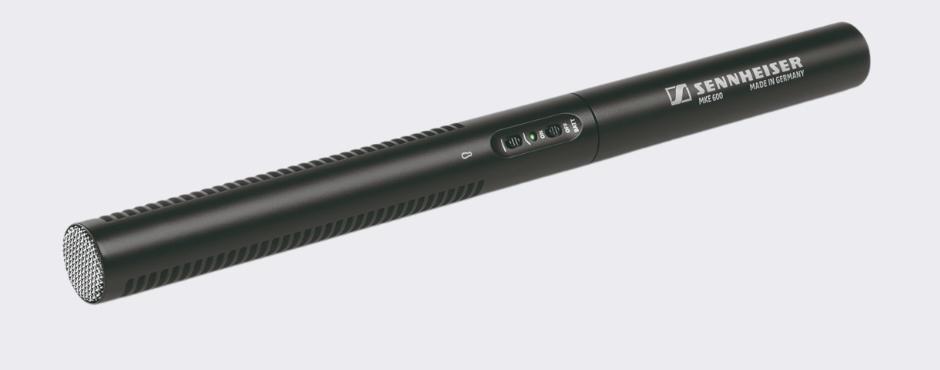
- Shotgun Microphone (cardioid, super-cardioid)
- Best for: interviews, dialogue, documentary + run-and-gun filmmaking
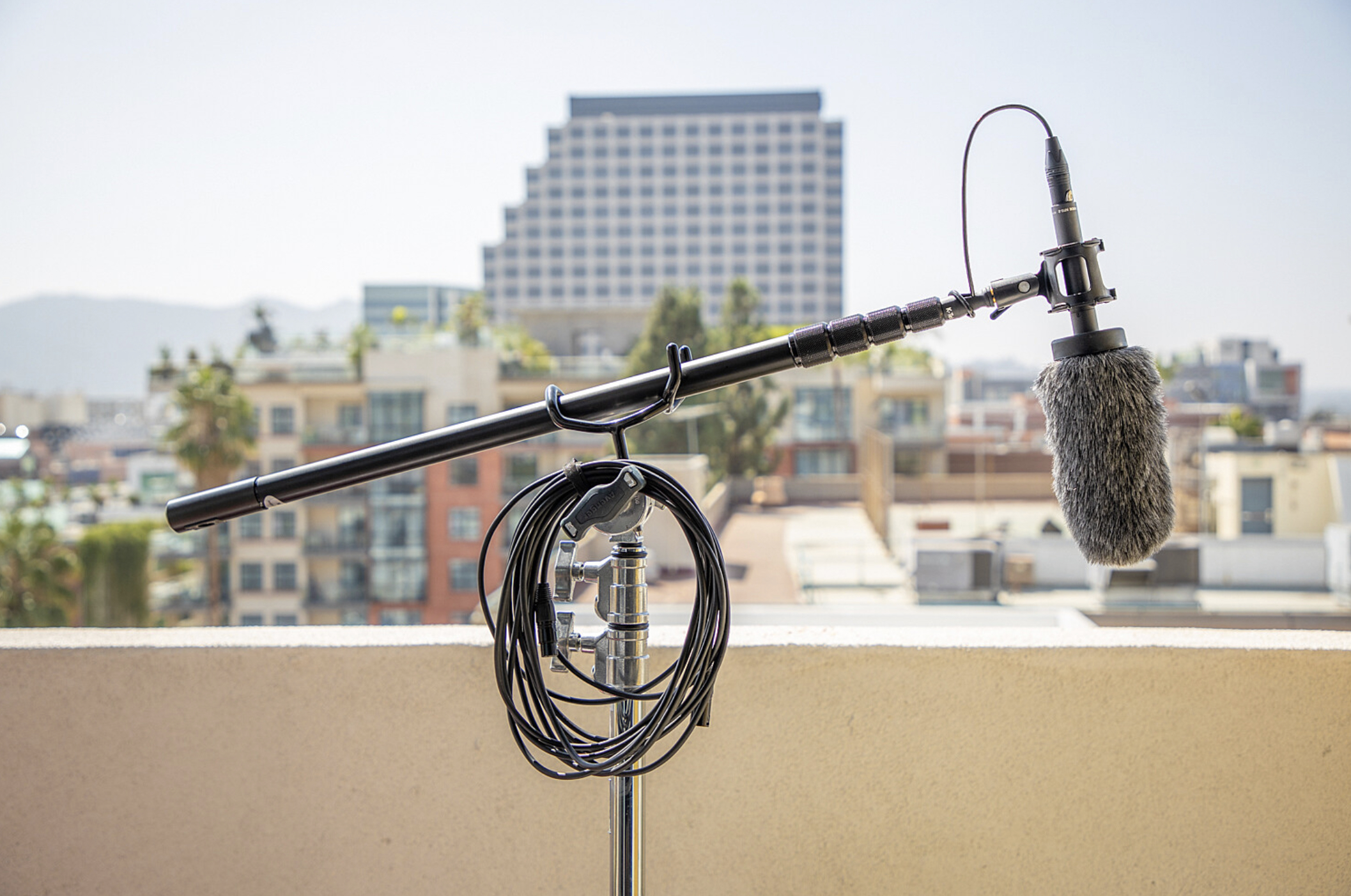
- Characteristics: directional, rejects side noise, mounts on camera or boom pole, usually have a low-cut filter switch which minimizes wind and handling noise.
- Powered by Phantom Power or AA or rechargeable internal battery.
- Examples: Rode NTG series, Sennheiser MKE 600
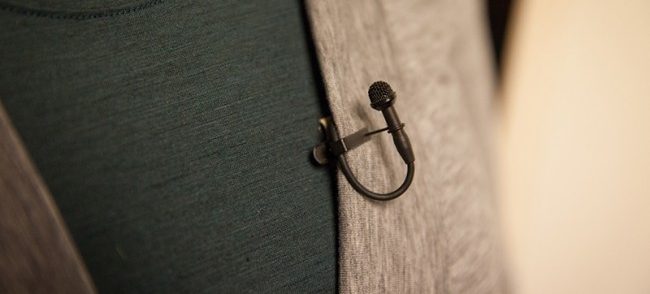
- Lavalier Microphone (with clip) (omni-directional)
- Best for: interviews, presentations, on-camera talent, group conversations.
- Characteristics: small clip-on mic, consistent voice levels, wired or wireless
- Powered by AA batteries.
- Listen for: clothing rustle, jewelry noise, wind. Don’t use in loud, noisy environments.
- Handheld Dynamic Mic (cardioid)
- Best for: events, street interviews, sports, ENG reporting
- Do not need to be powered by AAs or Phantom Power.
- Advantages: durable, less sensitive to ambient noise, easy handling.
XLR AUDIO CABLES
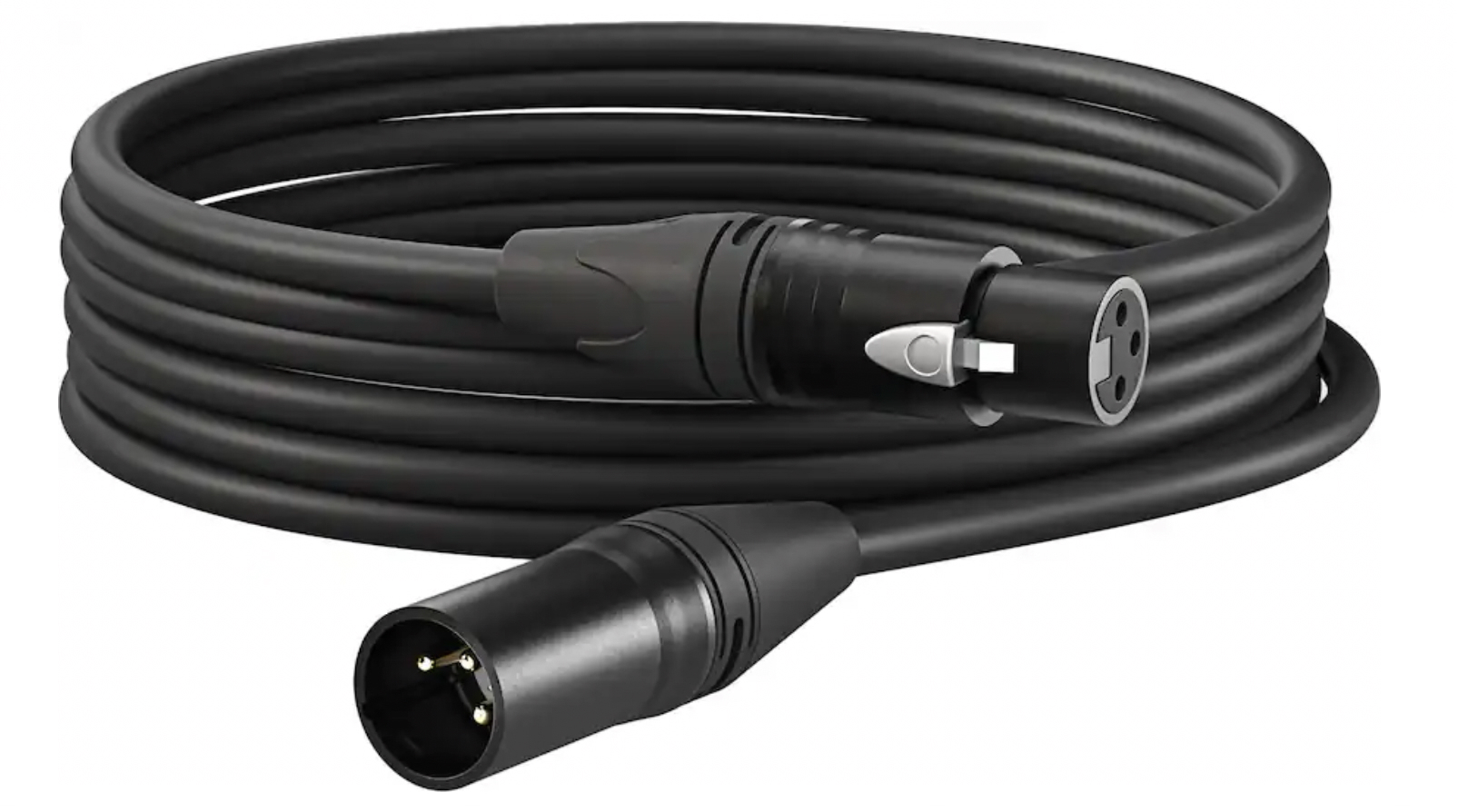
And for all of these microphones, you will need XLR cables to connect to a camera or audio device!
An XLR cable is a professional-grade audio cable used to transmit balanced microphone and line-level signals. Typically has three pins making it industry standard for connecting microphones to audio recorders, cameras and mixing boards.
MIC PLACEMENT The closer the microphone the better the sound.
- Shotgun: Place just outside frame, aim toward chest/mouth, Keep consistent distance
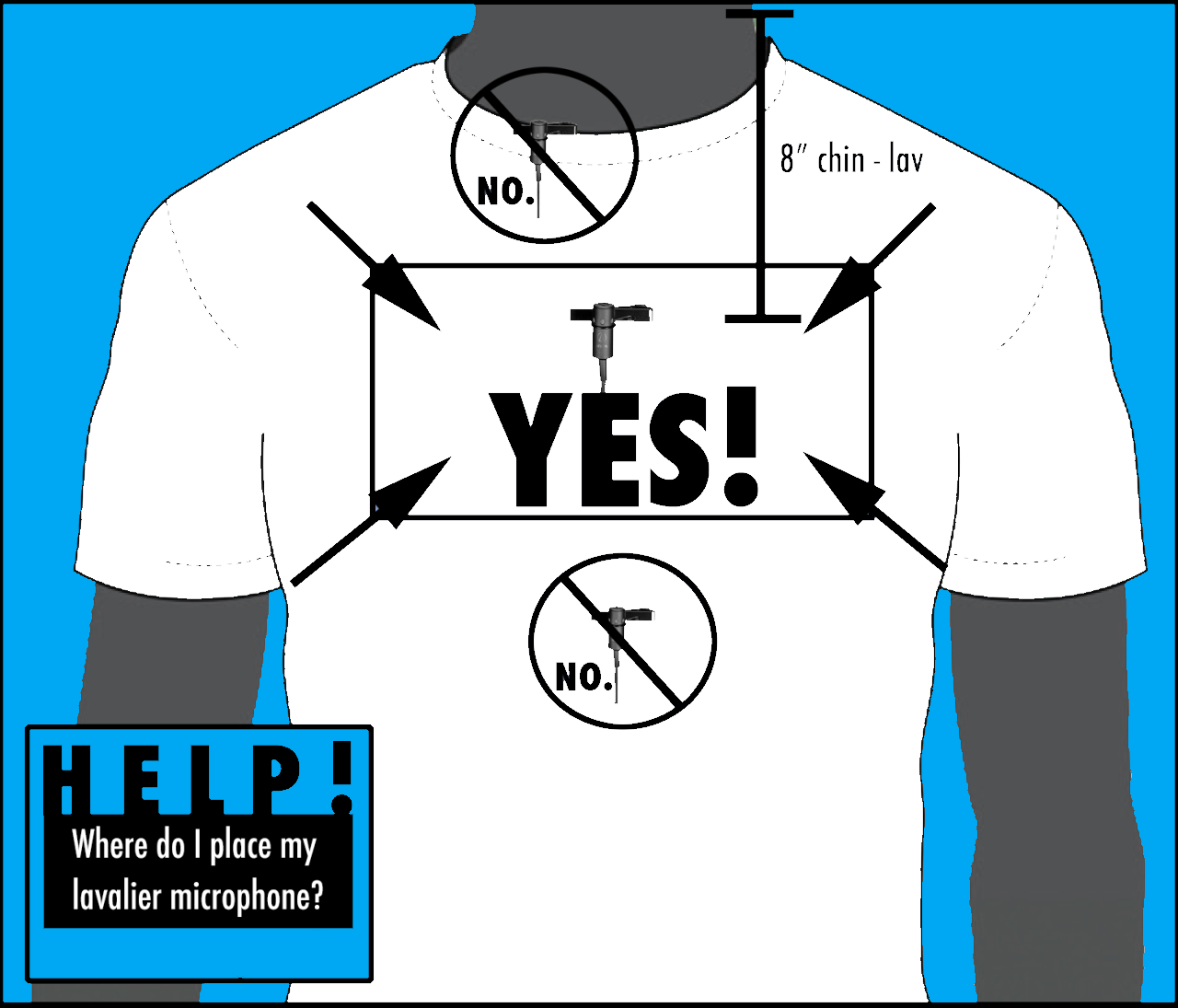
- Lav Mic: Place mid-chest, hide carefully, if needed, Avoid fabric friction. Rule of thumb is to usually hide mic, but if it’s clear it’s a sit-down interview, it’s okay to see lav.
- Pro Tip: Disconnect lav from transmitter pack first and talk subject through dropping cable down their shirt and then connect to pack once it’s on their belt or in pocket.
AUDIO RECORDING DEVICES
Choose between using Internal Camera Audio or External Audio Recorder.
- In-Camera Audio might be fast and convenient but often lower quality preamps.
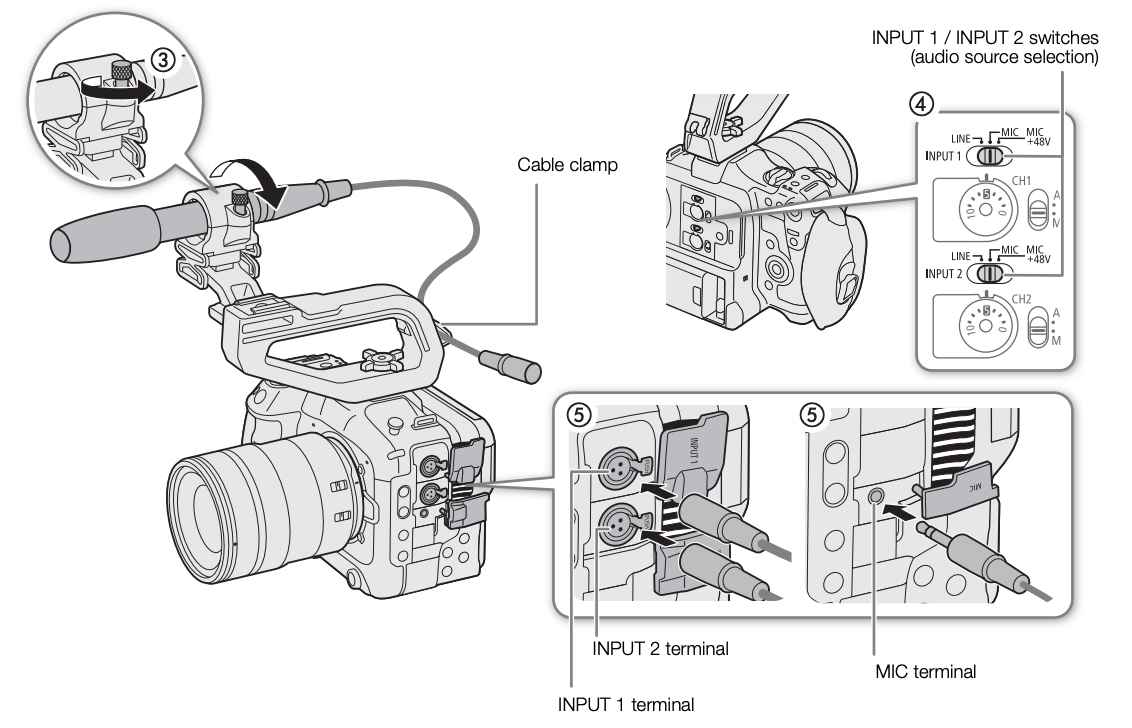
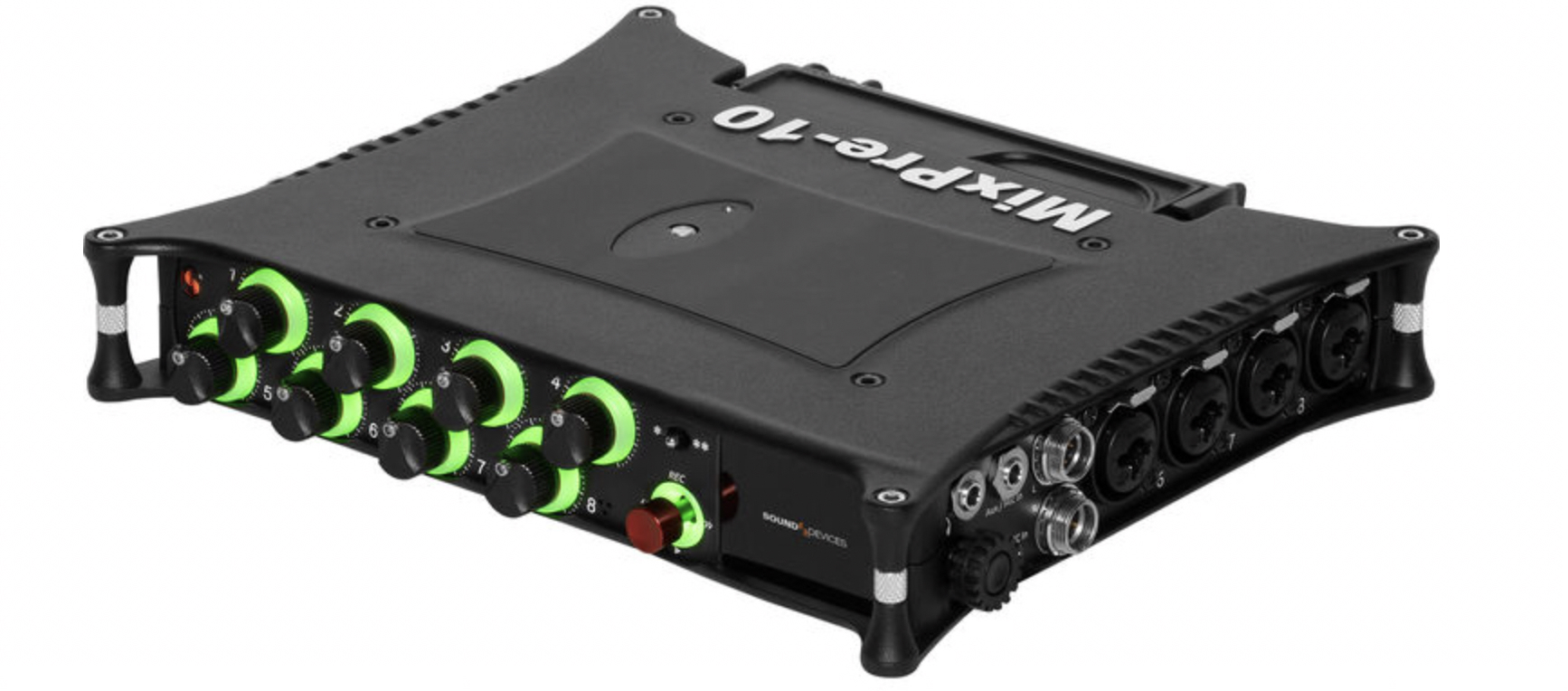
External audio recorders offer better sound quality and control. Cleaner preamps, multiple inputs, better monitoring, backup recordings.
-
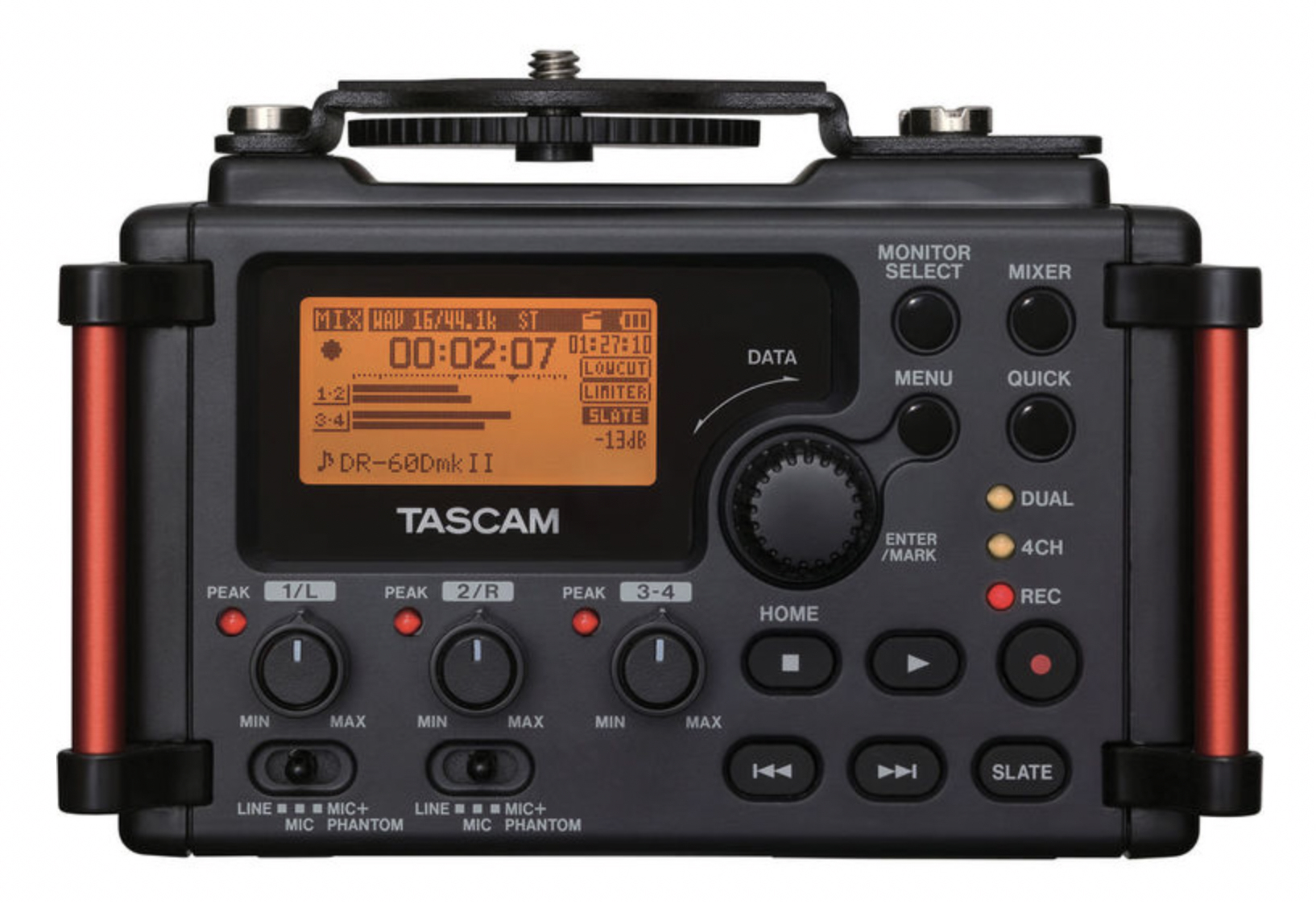
- Popular recorders: Zoom H5/H6, Tascam DR series, Sound Devices MixPre
SET PROPER RECORDING LEVELS
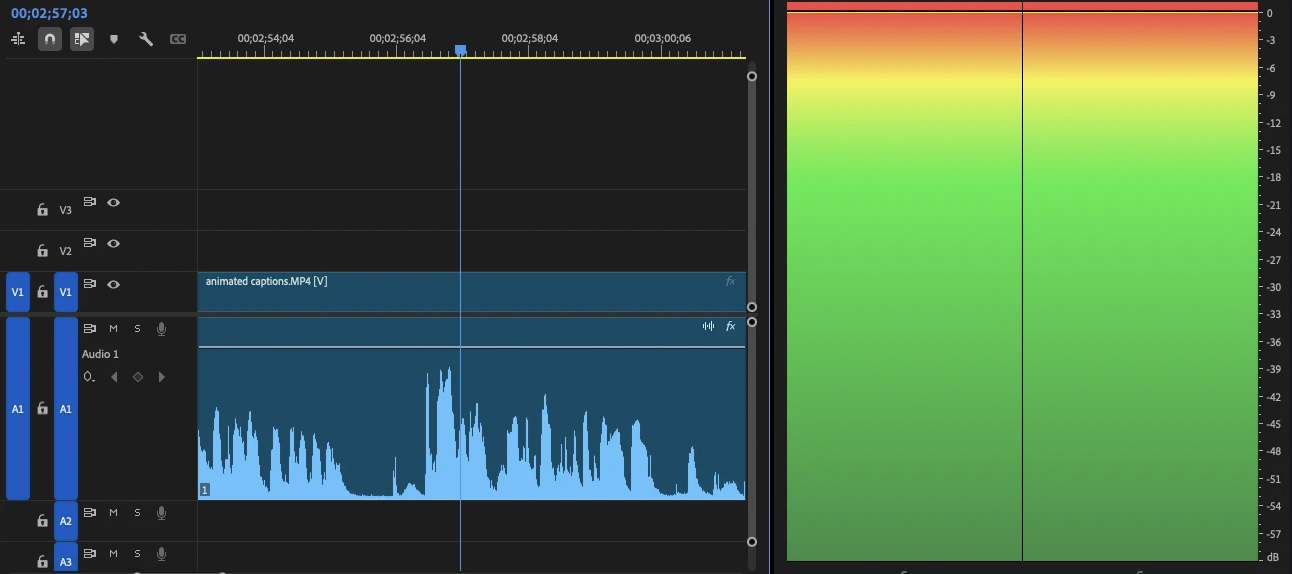
Target: Dialogue peaks around -12 dB to -6 dB
-
- Avoid: Clipping at 0 dB (audio cannot be repaired) or recording too quietly (floor noise will rise as you raise volume of sound in editing.
MONITOR AUDIO
Always wear headphones to listen closely for hum, wind, distortion, clothing rustle, pops/plosives, RF interference and other background distractions.
RECORD ROOM TONE
Record: 30–60 seconds of ambient room sound to smooth edits and remove awkward silent gaps in post-production that create distracting pops in audio.
WIND PROTECTION
Use foam windscreen (light) or “dead cat“ wind muff (heavy) to protect mic from wind noise causing unusable audio.
AUDIO SETTINGS
- 24-bit audio recording .WAV file / (48,000 Hz) for the best balance of audio quality and compatibility ripe for editing
- Decide whether you will record in Mono (one mic to fill L/R) or Stereo (multiple mics)
- How will you power each microphone? Phantom Power or AA battery or rechargeable?
COMMON MISTAKES
- Recording subject from too far away or mic is too close and rec picks up plosives
- Not monitoring wearing headphones, so unaware of potential sound issues at location
- Ignoring background noise
-
- Not recording backup audio (dual record or use safety tracks and use secondary mic)